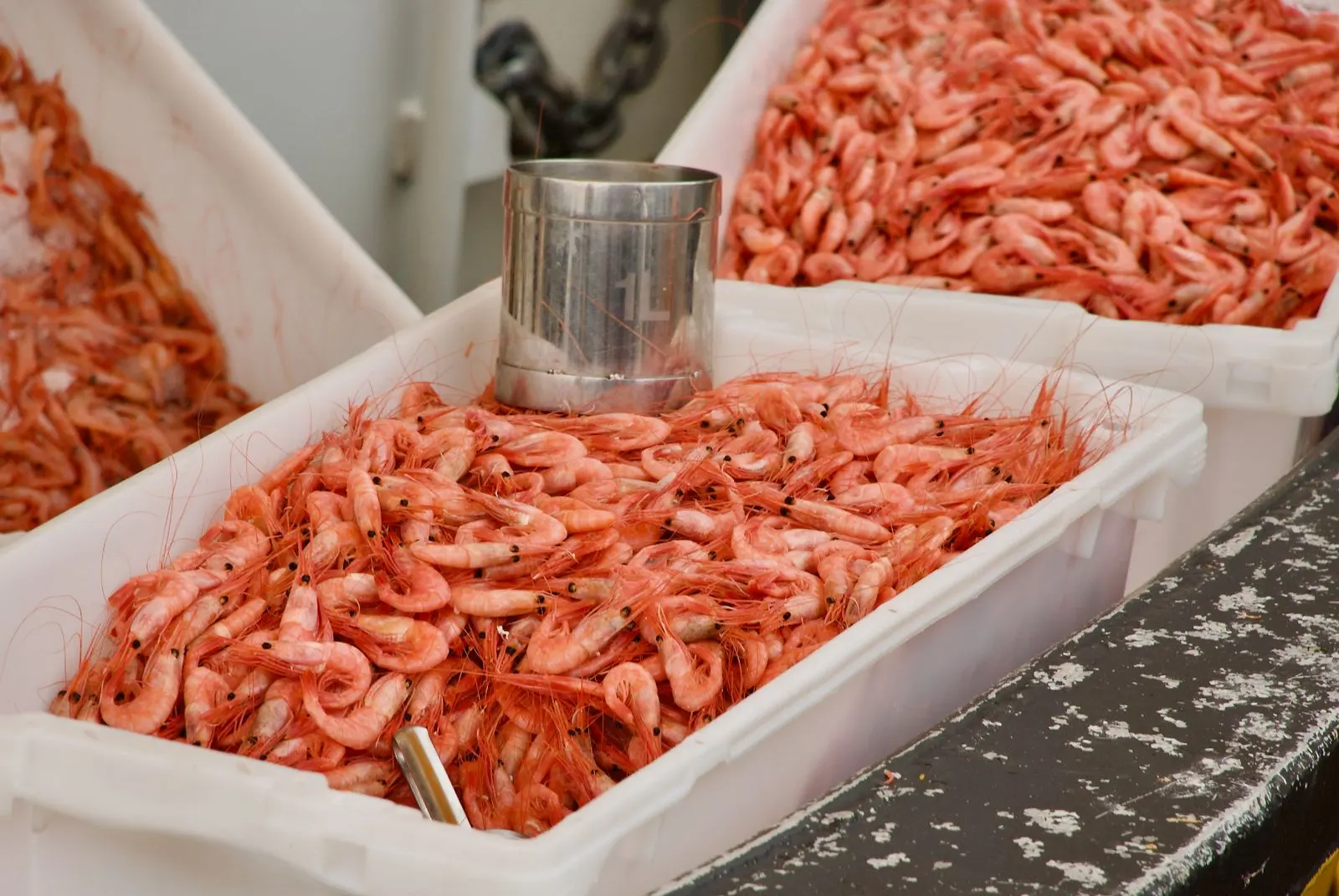
Seafood
Fresh and frozen fish, shellfish, lobster, shrimp, and other seafood products.
Seafood is among the most time-sensitive commodities moving through LAX — fresh product has a short usable window from the moment it's caught or processed, and any break in the cool chain shows up quickly in quality. We coordinate seafood shipments with that narrow margin in mind, from booking through release to the consignee.
Typical Temperature Range
Fresh and chilled seafood is typically packed on wet or gel ice and held around 0–4°C (32–39°F). Frozen seafood is held at -18°C (0°F) or below, with some processors requiring deeper freeze temperatures for specific species.
Examples
Handling Notes
- Fresh seafood is commonly packed in insulated, wax-coated or gel-ice cartons designed to manage melt and leakage
- Live shellfish (such as lobster and crab) require specific humidity and temperature handling to keep product viable during transit
- Frozen seafood must maintain a continuous freeze from origin through delivery — even brief warming can affect texture and shelf life once thawed
- Segregation from strong-odor commodities is often necessary to avoid product taint
Common Documentation
- Commercial invoice and packing list
- FDA prior notice for food shipments entering the United States
- Catch certificates or other traceability documentation for wild-caught species, where applicable
- Health or sanitary certificates as required by the destination market
Documentation requirements vary by origin, destination, and specific product — confirm exact requirements for your shipment with our operations team before booking.
Quick Answers
What temperature does seafood ship at by air?
Fresh and chilled seafood is typically packed on wet or gel ice and held around 0–4°C (32–39°F). Frozen seafood is held at -18°C (0°F) or below, with some processors requiring deeper freeze temperatures for specific species.
What documentation is required for seafood moving through LAX?
Commonly required: Commercial invoice and packing list; FDA prior notice for food shipments entering the United States; Catch certificates or other traceability documentation for wild-caught species, where applicable; Health or sanitary certificates as required by the destination market. Exact requirements vary by origin, destination, and specific product — confirm them with our operations team before booking.
Does FTE Perishable handle seafood at LAX?
Yes. FTE Perishable coordinates seafood moving through Los Angeles International Airport — fresh and frozen fish, shellfish, lobster, shrimp, and other seafood products. Coordination covers booking, temperature-controlled handling and storage, documentation, and release or tender at LAX. We are a coordination service, not an airline or a licensed customs broker.
Related Services
Services commonly coordinated for seafood shipments.
Shipping Seafood?
Share your shipment details and our LAX operations team will confirm handling requirements and next steps.